
Strong Children, Strong Families, Strong Communities: Inside Martha’s Table’s Mission
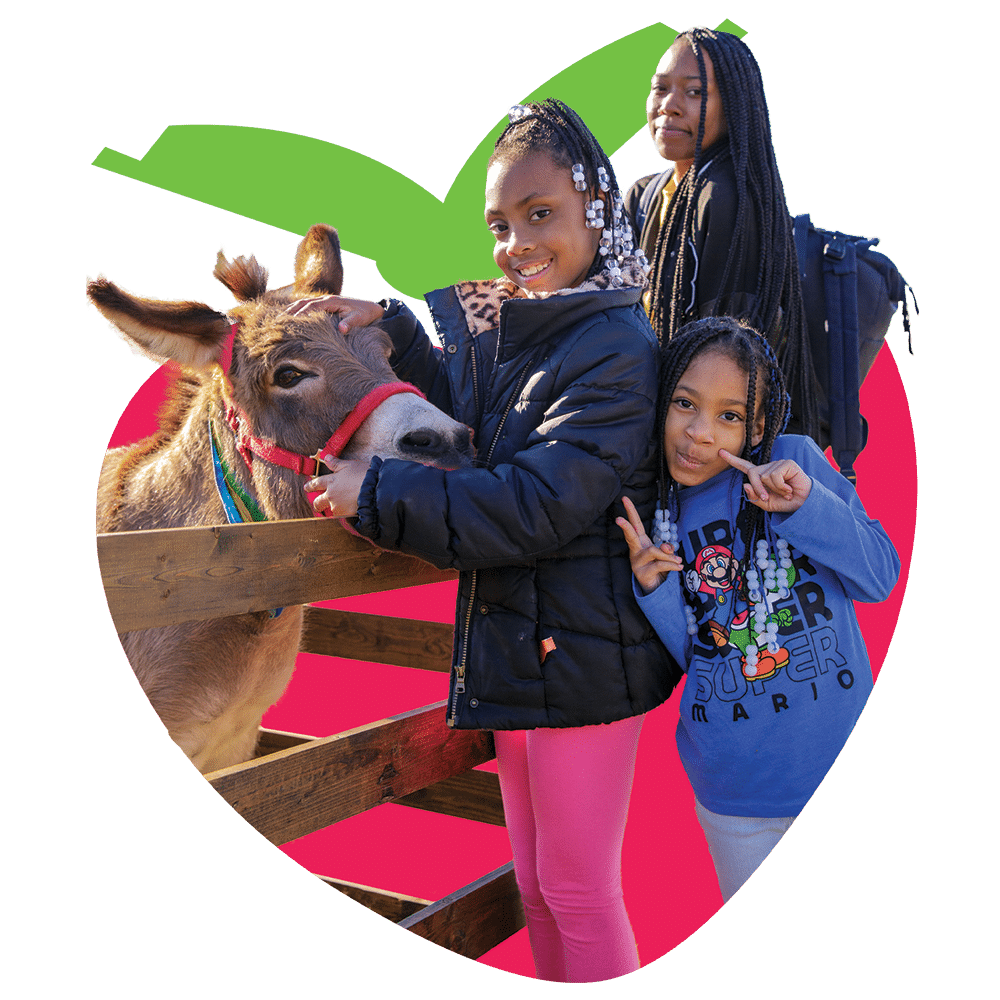
For more than four decades, Martha’s Table has worked alongside DC residents with a mission centered on strong children, strong families and strong communities.
Founded in 1980, the organization began with a simple idea: providing sandwiches and a safe place for young people after school on 14th Street NW. Since then, Martha’s Table has grown into a community-centered organization serving more than 45,000 neighbors each year through education, healthy food and wellness initiatives, family support and investments designed to expand opportunity.
In 2019, Martha’s Table relocated its headquarters to Ward 8, a move that placed the organization more directly within one of the communities at the center of its work.
That move was followed by an effort to listen more intentionally to Southeast DC residents about what they wanted for their families and neighborhoods.
In 2020, Martha’s Table convened a panel of Southeast DC community leaders to help guide its strategy. That process ultimately included more than 1,000 conversations with residents of different ages and backgrounds, with conversations conducted in multiple languages, including Spanish and Amharic.
Neighbors were asked about their priorities and aspirations, as well as the role they believed Martha’s Table could play in helping build a stronger DC.
Today, that community input is reflected in four primary areas of the organization’s work.
Martha’s Table provides nationally accredited early childhood education aimed at giving children a strong foundation for future success. The organization also works directly with families to strengthen support systems and connections.
Its healthy food and wellness work focuses on ensuring neighbors have access to nutritious food, essential services and resources that support their overall well-being.
The organization’s community investment efforts take a broader approach, supporting economic opportunity and local leadership while investing directly in communities.
Underlying those programs is a philosophy that communities become stronger when investments are made in the people who live there — and when residents have a meaningful role in determining what those investments should look like.
More than 45 years after Martha’s Table began with sandwiches and an after-school gathering place, its work has expanded considerably. But its focus remains rooted in supporting children, families and communities while working alongside DC residents to create opportunities for the future.